

The coverage gap remains one of the biggest barriers to health care in Georgia. Georgians in the coverage gap do not qualify for Medicaid, but they earn too little to get help paying for a plan through Georgia Access. Many are working, caring for family members, or both, yet they have no affordable path to health coverage.
Election Day has passed, but the need for affordable health care remains urgent. For Georgians without coverage, getting sick can mean delaying care or facing bills they cannot afford.
This election brought renewed attention to health care access. Now Georgia’s incoming leaders have an opportunity to respond and take action. Cover Georgia is ready to work with Georgia’s leaders toward our goal: closing the coverage gap through Medicaid expansion so more people can get the care they need!
Our post-election statement shares that commitment and our hopes for a healthier future for Georgia families. Read our full statement.
Help shape what comes next

As Georgia’s incoming leaders consider the future of health care, your experiences can help show why expanding access to affordable coverage matters. If you’ve struggled to get covered, keep your insurance, or afford care, we want to hear from you. Stories from people living in the coverage gap help lawmakers understand what is at stake. Whether you have gone without care, skipped a prescription, or struggled with medical bills, your experience matters.
- Share your story. Tell us how health coverage affects you and your family.
- Spread the word. Share this post with friends, family, and neighbors who care about affordable health care. The more Georgians who get involved, the stronger our voices will be!
- Stay connected. Watch your inbox for updates and opportunities to speak up for a healthier Georgia.
Family caregivers need care too
Caring for a loved one can mean helping with meals, managing medicines, or driving to appointments. Caregivers also need time, support, and access to care for their own health.

This National Family Caregivers Month, we’re sharing a guest blog from our partners at Caring Across Generations. It explores the challenges facing caregivers and what a stronger care system could look like.
Caregivers often lose work hours and income to care for their loved ones. In fact, about 1 in 5 Georgia caregivers are uninsured. In Georgia, that pushes many into the Medicaid coverage gap, which means they do not qualify for Medicaid, but earn too little to afford Georgia Access Marketplace insurance.
Medicaid expansion would help more caregivers get health coverage of their own. Families also need stronger support for care at home and in their communities.
Pathways’ future is uncertain
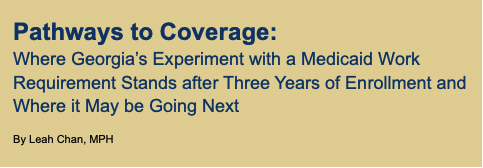
Georgia Pathways to Coverage provides Medicaid coverage to some adults with low incomes. Its current federal approval ends December 31, 2026, unless extended. Federal decisions about the program’s future are pending.
For Georgians who rely on Pathways, these decisions affect their ability to refill prescriptions, keep doctor’s appointments, and continue treatment.
Our coalition member, Georgia Budget and Policy Institute (GBPI), has released a new report on Pathways’ progress after three years. It examines limited enrollment, program costs, and how paperwork can make getting and keeping coverage harder.
These findings reinforce the need to help people keep their coverage while reaching those still left out. Cover Georgia continues to advocate for Medicaid expansion and simpler ways to get covered and stay covered.
Thank you for being part of this community. Together, we can keep working toward a Georgia where everyone can get the health care they need. If you’re able, a gift of any size will help sustain Cover Georgia’s work to close the coverage gap.